The Age of the Micro-Trend: Why Everything Is Viral Until It Isn't

Not long ago, trends unfolded over years rather than weeks. Fashion collections stayed relevant for entire seasons, consumer products remained popular for decades, and brands had the luxury of gradually building cultural significance through consistent marketing and loyal customers. Today, that timeline has collapsed. A stuffed toy can become a global collectible almost overnight, a chocolate bar can spark shortages across continents, and a simple grocery store tote bag can become one of the internet's most sought-after accessories. In the age of TikTok, Instagram, and algorithm-driven discovery, products no longer need years to become iconic; they simply need one viral moment.
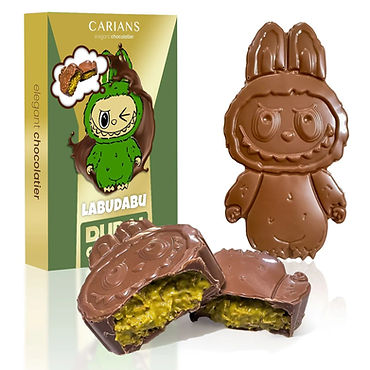
Unlike traditional trends, micro-trends are defined by their speed and intensity. They appear almost without warning, dominate social media feeds for a brief period, and often disappear just as quickly. Their success is rarely driven by necessity or even superior product quality. Instead, they are fueled by algorithms, influencer culture, social proof, and the fear of missing out. Consumers are no longer just purchasing products; they are buying into a shared cultural moment, eager to participate before the internet inevitably moves on to the next obsession.
One of the defining characteristics of a micro-trend is that it rarely begins with traditional advertising. Instead, it emerges through a combination of creator recommendations, celebrity endorsements, online communities, aesthetically pleasing content, and endless algorithmic amplification. The products themselves are often surprisingly ordinary. A plush toy becomes a luxury collectible, a chocolate bar becomes an international travel souvenir, a supermarket canvas bag transforms into a fashion accessory, and a cookie becomes a weekly event. The common thread is not the product itself but the story surrounding it. Social media platforms reward novelty above almost everything else, encouraging users to share products that feel exclusive or newly discovered. Every post validates the product further, every sold-out shelf reinforces the perception of demand, and before long, the popularity begins feeding itself.
Scarcity plays an equally important role in this cycle. Many of today's biggest micro-trends rely on limited availability, whether genuine or carefully manufactured. Limited-edition releases, regional exclusivity, rotating product menus, blind-box collectibles, and small production runs all create the impression that consumers are competing for access rather than simply making a purchase. The difficulty of obtaining an item often becomes part of its appeal. Recent examples illustrate this perfectly. Labubu collectibles exploded in popularity after celebrity sightings and millions of unboxing videos transformed them into cultural status symbols. Crumbl Cookies has turned a simple dessert into recurring entertainment by releasing new flavors every week, encouraging customers to return repeatedly while creating constant discussion online. Meanwhile, the now-famous "Dubai chocolate" became an international sensation thanks to videos showcasing its pistachio filling and satisfying crunch, while Trader Joe's mini canvas tote bags generated long lines and resale markets despite their modest retail price. In every case, the product became desirable because it appeared that everyone else wanted it first.
Social media has fundamentally changed the relationship between marketing and consumer demand. For decades, marketers believed advertising influenced purchasing decisions, but today's creator economy often proves even more powerful. A single authentic TikTok review can generate more sales than a multimillion-dollar advertising campaign, while a satisfying close-up video or aesthetic product reveal can outperform years of carefully crafted brand positioning. Algorithms reward engagement rather than longevity, giving products designed for visually compelling or emotionally satisfying content an enormous advantage. As users repeatedly encounter the same product across multiple platforms, visibility is mistaken for popularity, and popularity is mistaken for quality. The result is a self-reinforcing feedback loop in which the internet doesn't simply reflect demand; it actively creates it.
These viral purchasing habits also connect to a well-known economic theory known as the Lipstick Effect. The Lipstick Effect describes the tendency for consumers to continue purchasing relatively inexpensive luxury items during periods of economic uncertainty. When larger purchases such as luxury vacations, designer handbags, or new cars feel financially out of reach, people often seek smaller indulgences that still provide emotional satisfaction. Traditionally, economists pointed to premium cosmetics, fragrances, or lipstick itself as examples. Today, that same psychology is increasingly expressed through designer toys, specialty desserts, collectible grocery bags, limited-edition beverages, and viral chocolates. Spending twenty dollars on a plush toy or fifteen dollars on a box of cookies can provide many of the same emotional rewards as a much larger luxury purchase, allowing consumers to experience excitement and novelty without making a significant financial commitment. In many cases, people are not buying the product for its practical value but for the feeling, identity, and participation it represents.

Recognizing these shifts, many brands have moved away from trying to create timeless icons and instead focus on manufacturing cultural moments. Companies intentionally engineer scarcity through collaborations, surprise product drops, collectible packaging, rotating menus, and limited-edition releases because these strategies maximize online conversation. Success is increasingly measured not only by sales figures but by how quickly products sell out, how many people post about them, how much user-generated content they inspire, and how difficult they become to obtain. The purchase itself is only one part of the experience; sharing it online completes the cycle and encourages the next wave of consumers to join in.
The challenge, however, is that virality almost always has an expiration date. Algorithms are constantly searching for something newer, more surprising, and more shareable. Today's must-have product can quickly become yesterday's forgotten trend once attention shifts elsewhere. Brands that rely exclusively on viral moments often struggle to sustain momentum after the excitement fades. The companies that succeed over the long term are those that use micro-trends as a gateway rather than a business model. Viral attention introduces consumers to the brand, but quality, customer experience, and consistent value are what transform first-time buyers into loyal customers. Virality creates awareness, but brand equity is what creates longevity.
Micro-trends are not replacing traditional branding; they are reshaping the way consumers discover brands in the first place. Instead of spending decades building recognition, companies can now become globally recognizable within weeks. That speed creates incredible opportunities, but it also makes sustained relevance far more difficult. The next viral product probably will not emerge from a billion-dollar advertising campaign. It will likely appear on someone's TikTok feed, in a grocery store aisle, or inside a blind box waiting to be opened on camera. In an economy where attention has become one of the world's scarcest resources, the products that succeed are not always the most innovative or the highest quality. More often, they are the ones who give people the most interesting story to share before the algorithm moves on to the next obsession.


Comments